
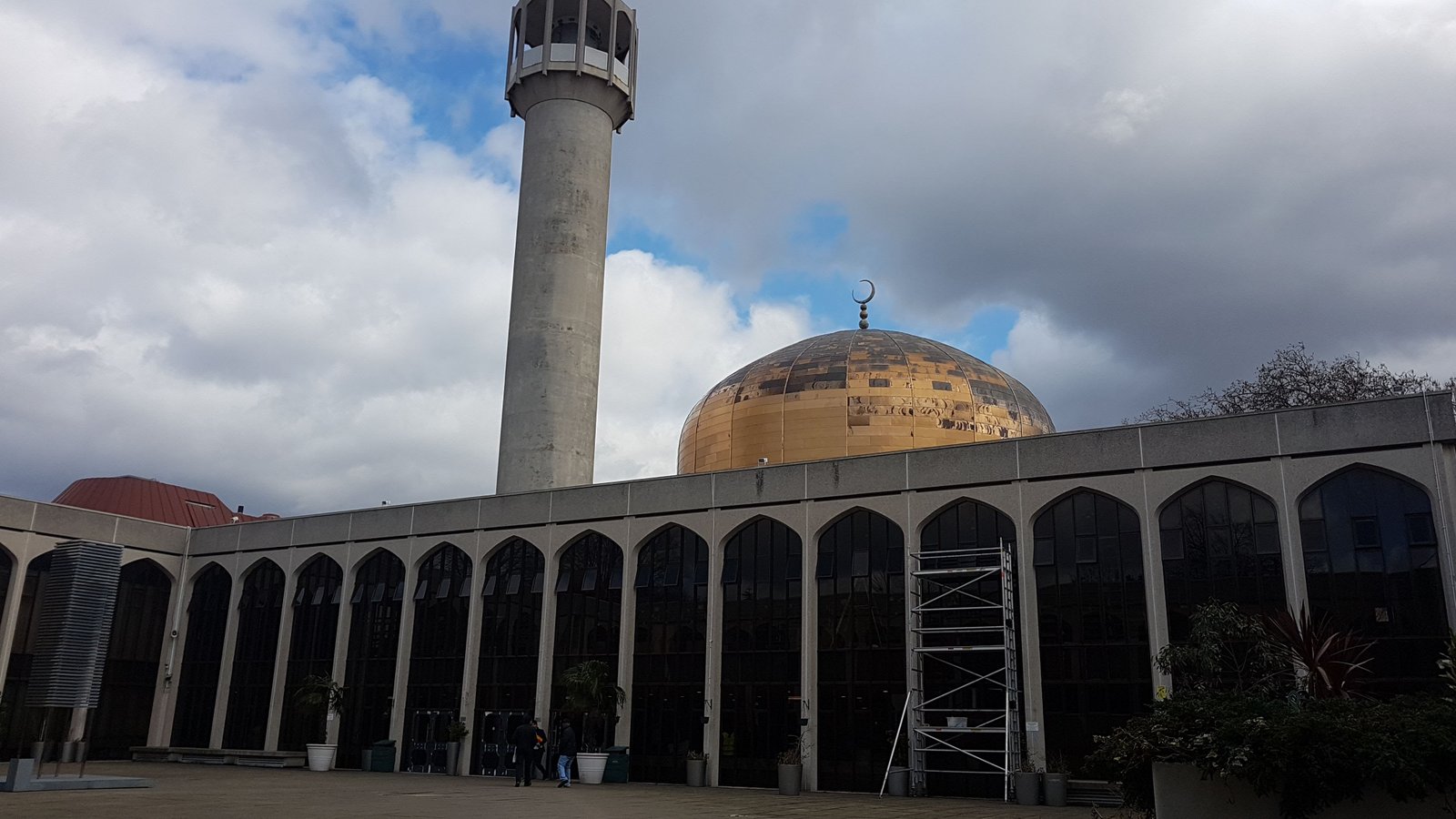
London
Greater London
The historic heartland of British Bangladeshi life , from the lascar docks of the nineteenth century to the vibrant communities of Spitalfields, Whitechapel and Tower Hamlets today.

British Bangladeshi Oral History Archive
Recording Migration Stories, Family Memories
and Community Heritage, Town by Town
This website documents British Bangladeshi history town by town, from the first Sylheti sailors who arrived in British ports to the communities that took root across every region of the UK. Much of what you will find here is grounded in oral history, family memory, and community testimony.
Many first-generation settlers have already passed away. Remaining elders hold memories that are largely undocumented and at risk of being lost. This archive exists to record those stories through interviews, photographs, documents and family accounts, and make them accessible to families, schools, researchers, community groups and future generations.
Read our mission"Many first-generation settlers have already passed away. Remaining elders hold memories that are largely undocumented and at risk of being lost."
British Bangladeshi settlement unfolded across three centuries, shaped by empire, labour, and law.
Sylheti seamen crewed the trading ships of the East India Company. Stranded at the docks of East London when captains abandoned their crews, they formed the earliest seeds of British Bengali settlement. The Strangers' Home at Limehouse (1857) gave shelter. The hostile Special Restriction Order of 1925 tried to push the community back. It did not succeed.
The British Nationality Act 1948 gave every Commonwealth citizen the right to live and work in Britain, with no visa and no cap. A war-damaged economy needed labour. Men from Sylhet came through chain migration, connecting cousins and neighbours from the same villages to the same boarding houses in Spitalfields, Bradford and Birmingham. They came intending to return. Most never did.
The Immigration Act 1971 effectively ended primary migration from South Asia. But wives and children of men already settled could still join them. The community transformed: bachelor lodging houses became family homes; sojourners became citizens. Schools opened. Mosques were built. The Liberation War of 1971 forged a distinct Bangladeshi identity. Britain became home.
When the Pakistan Army launched Operation Searchlight on the night of 25 March 1971, beginning the systematic killing of Bengali civilians, Britain's Bengali community responded with extraordinary speed and determination. Action Committees formed across the country; at their peak, 85 committees were operating in towns and cities nationwide.
On 8 August 1971, an estimated 25,000 people gathered at Trafalgar Square for the "Recognise Bangladesh" rally, one of the largest demonstrations London had seen in years. Community members gave their savings, their jewellery, and their weekly wages to the liberation fund supporting refugees in India and the Mukti Bahini freedom fighters.
When Bangladesh achieved independence on 16 December 1971, Bangabandhu Sheikh Mujibur Rahman flew first to London on 8 January 1972 before continuing to Dhaka. That journey reflected how central the British Bangladeshi diaspora had been to the liberation campaign. The political consciousness forged in 1971 defined the community that emerged from it.
Read more about the Liberation MovementFrom Tower Hamlets to Glasgow. Explore the communities that have shaped Britain.
Greater London
The historic heartland of British Bangladeshi life , from the lascar docks of the nineteenth century to the vibrant communities of Spitalfields, Whitechapel and Tower Hamlets today.
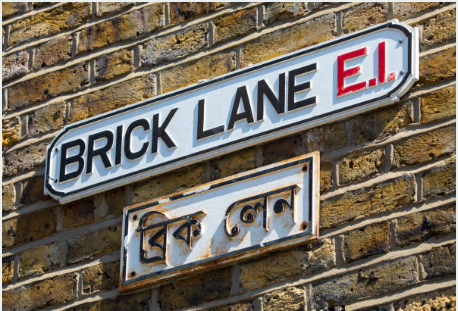
East London
The spiritual and political heart of British Bangladeshi Britain , from Brick Lane's Banglatown and the centuries-old Jamme Masjid to the first Bangladeshi MP, and a community forged in the anti-racist struggles of the 1970s.
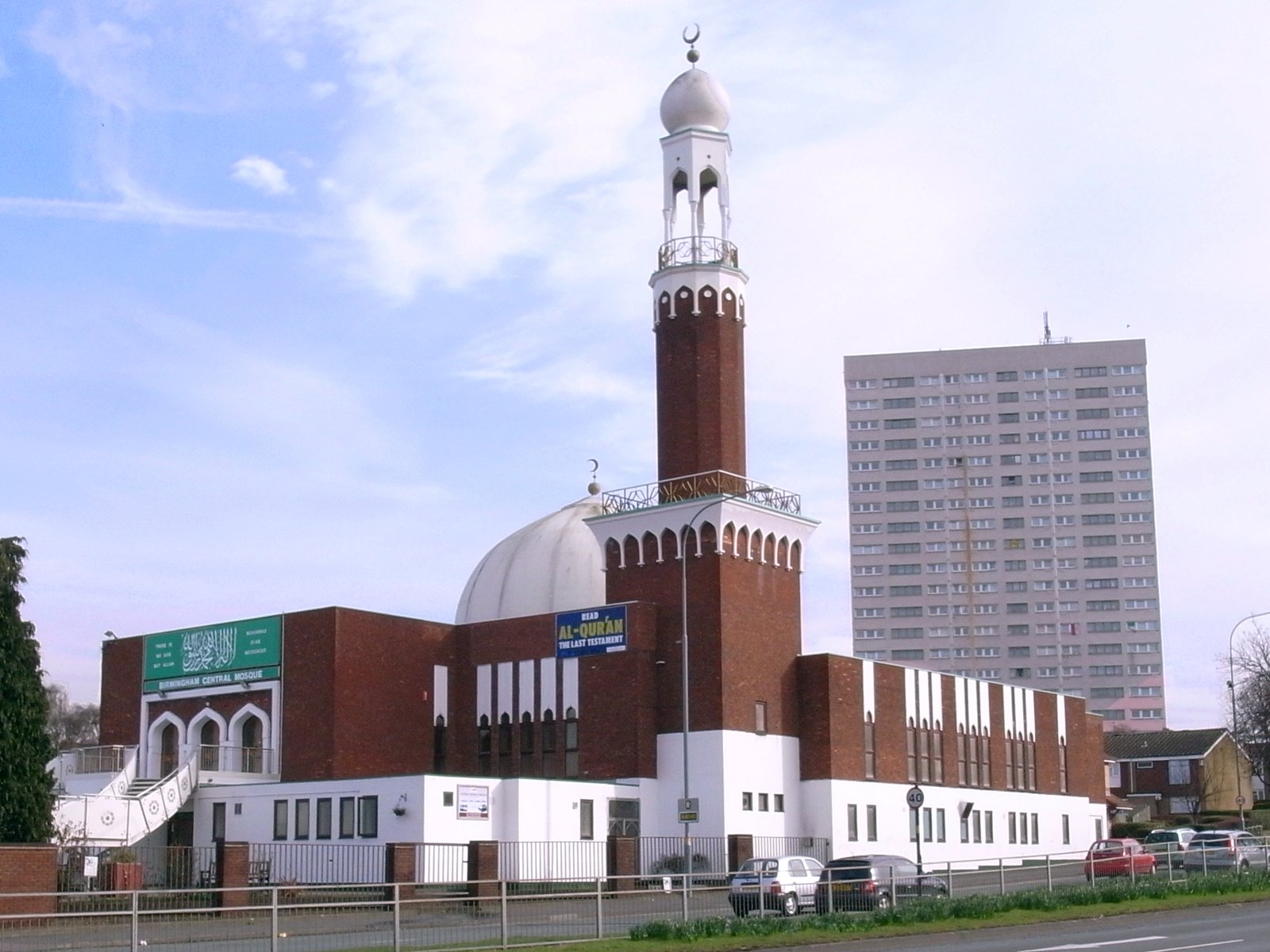
West Midlands
A major British Bangladeshi centre in Britain's second city, home to some of the country's earliest curry pioneers, and the city that played a decisive role in the 1971 liberation movement.

West Yorkshire
Bradford's Bangladeshi community arrived in the early 1960s as textile mill workers, among the first Bangladeshi settlers in the north of England, building institutions in Manningham that stand to this day.
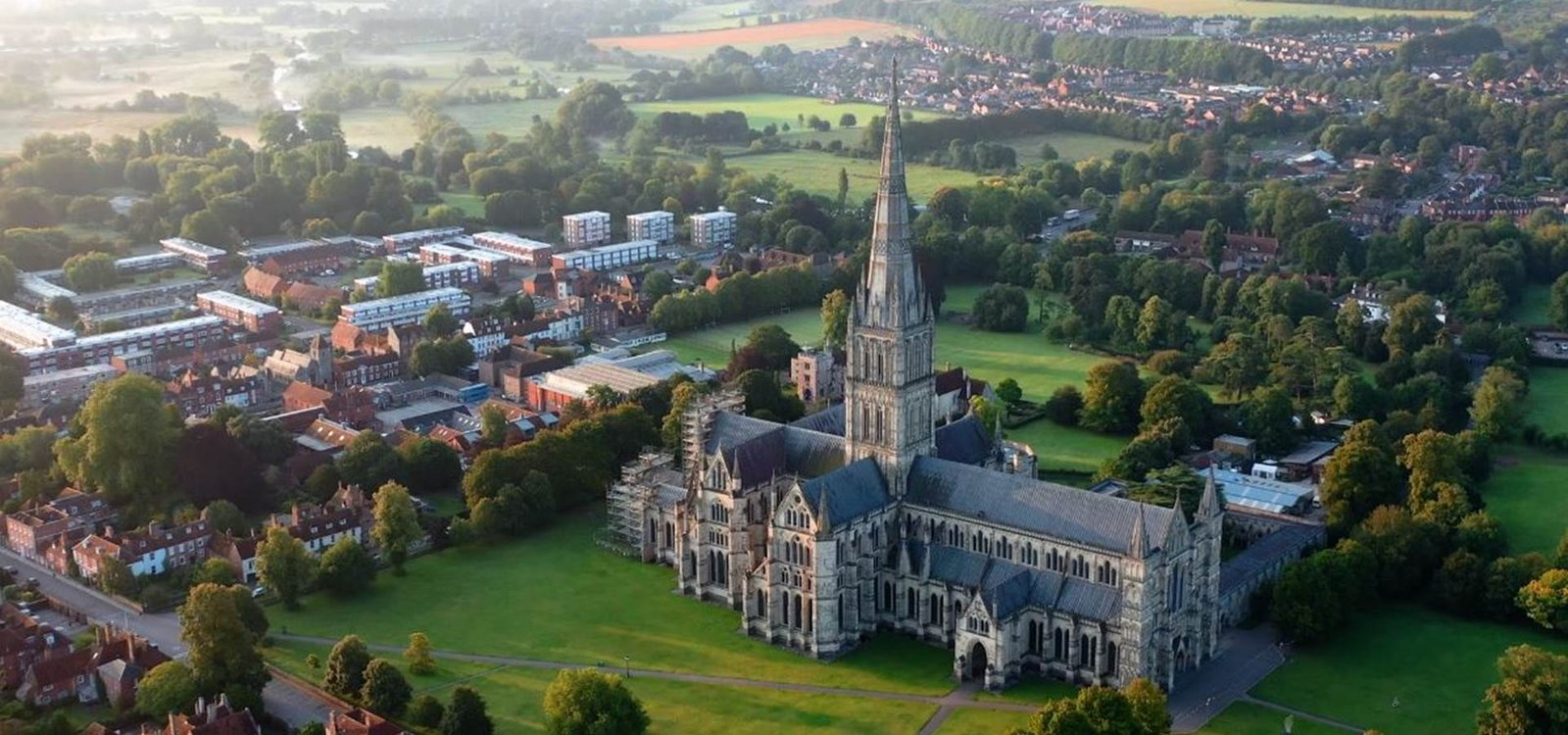
Wiltshire, England
A proud and established community in the cathedral city, with pioneering families who built the restaurant trade from the ground up.

South West England
One of the earliest Bangladeshi communities in the South West, shaped by pioneering restaurateurs and civic organisers from the 1950s onward.
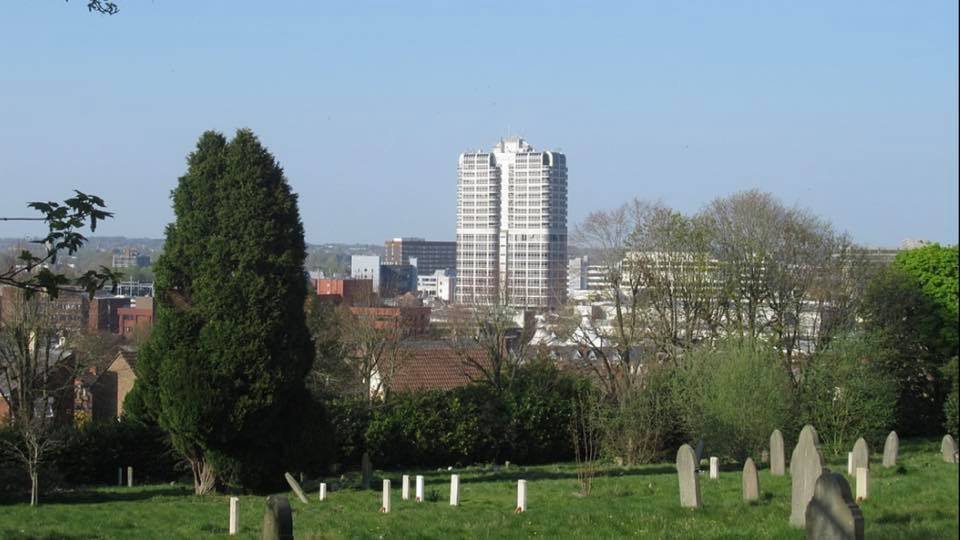
Wiltshire
One of the earliest documented Bangladeshi restaurant centres in Wiltshire, built around a long-standing family catering tradition.
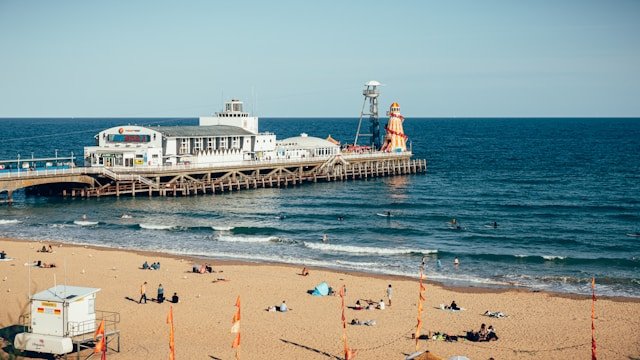
Dorset
A coastal South West centre where Bangladeshi restaurateurs established some of the earliest curry houses outside the major cities.
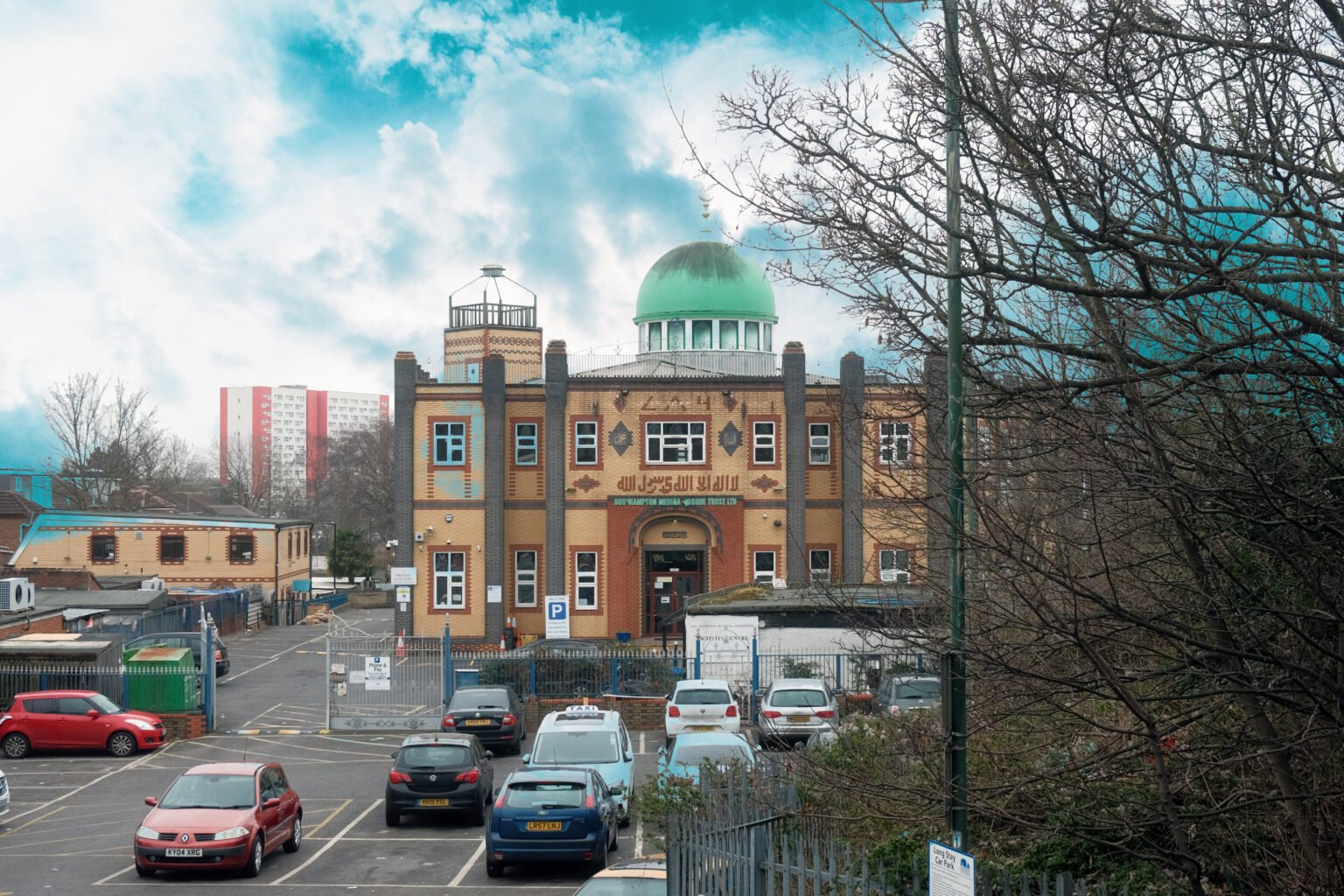
Hampshire
A port-city community shaped by high-profile restaurant entrepreneurship and later mosque-building rooted in Sylheti migration.
Many first-generation British Bangladeshi settlers have already passed away. Others are elderly, and their memories remain largely undocumented. We are building an oral history archive: collecting interviews, photographs, documents and family stories, town by town, before those memories are lost.