Community History
Birmingham's Bangladeshi community grew significantly during the 1960s and 1970s as workers arrived to fill roles in the city's manufacturing sector. Centred in Sparkbrook, Alum Rock, Balsall Heath, Highgate, and Small Heath, it became one of the country's most important Bangladeshi communities, contributing to business, civic life, and religious organisation. Birmingham also played a decisive role in the Bangladesh Liberation War of 1971. Activists first organised through the East Pakistan Liberation Front, then helped build the Birmingham Bangladesh Action Committee, raising funds, producing the handwritten newsletter Bidrohi Bangla, lobbying politicians, and linking local activism to a national network of more than 100 Action Committees across Britain. Birmingham also holds a special place in the story of British curry. From the 1940s onwards, Bangladeshi pioneers established some of the city's earliest curry houses, including The Darjeeling, the Jinnah, and the Bombay Restaurant, and in doing so created not just a restaurant trade but a network of community infrastructure that housed, employed, and supported newly arrived migrants for decades.
Early Bangladeshi Settlement in Birmingham
Before the Bangladesh Liberation War of 1971, Birmingham already had an established Bengali-speaking Muslim community, largely made up of men from Sylhet. Many arrived in the late 1950s and early 1960s and settled in inner-city areas such as Highgate, Sparkbrook, Balsall Heath and Small Heath.
These early settlers often worked in Birmingham's factories, foundries and heavy industries, living in shared terraced housing while building the social networks that later supported family migration, community organisations and political mobilisation.
Highgate: One of the First Community Hubs
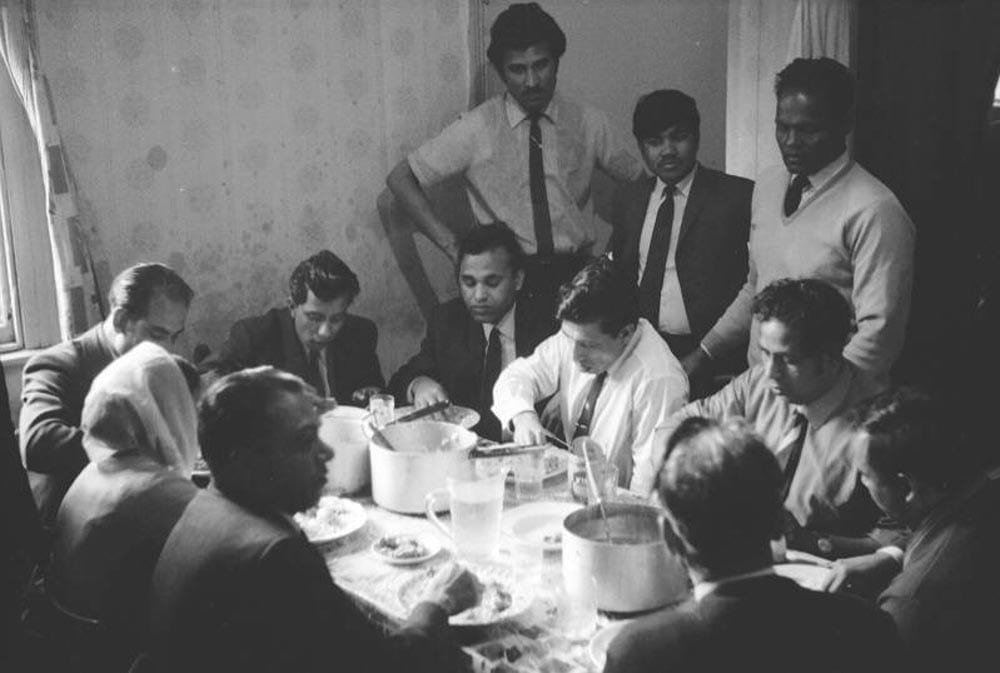
Highgate was one of the clearest early centres of Bangladeshi settlement in Birmingham before redevelopment reshaped the area in the 1970s. Housing was cheap, but conditions were often poor, and many men lived communally because it was the only practical way to survive and save money.
One surviving account recalls how overcrowding led two men, including Abdul Jabbar, to buy the house next door, only for the two houses soon to become home to around twenty men. Even in difficult conditions, these houses became places of friendship, solidarity, and a first sense of home in Britain.
Life for the First Sylheti Workers
For the first generation of Sylheti workers, life in Birmingham was defined by long hours, hard labour, and self-reliance. Many worked overtime in heavy industry, then returned home exhausted to cook, clean, and look after one another in overcrowded shared houses.
That hardship formed the basis of a durable community life. The same men who shared food, rent, and advice also created the trust that later made it possible to support new arrivals, bring families over, and organise collectively when political crisis demanded it.
Yousuf Choudhury: Birmingham's Community Historian
Yousuf Choudhury (1928-2002) was one of the most important chroniclers of Bangladeshi life in Birmingham. Born in Sylhet, he arrived in Britain in 1957 and later became based in Birmingham, where he devoted himself to recording community history through writing and photography.
His works, including The Roots and Tales of the Bangladeshi Settlers and Sons of Empire, preserved the stories of lascars, ex-servicemen, and migrant workers whose lives might otherwise have gone undocumented. His contribution remains invaluable because many early pioneers left few written records of their own.
From Settlement to Organisation
As the community became more rooted, informal support networks developed into more organised forms of collective life. The experience of living together in Highgate, Sparkbrook, Balsall Heath and Small Heath created the relationships that later supported businesses, mosques, community groups, and public campaigning.
By the late 1960s and early 1970s, Birmingham's Bangladeshis were no longer simply surviving as isolated migrant workers. They had begun to form a recognisable local community with the confidence to speak in its own name.
How Early Community Networks Supported the 1971 Liberation Movement
When the crisis in East Pakistan deepened in 1971, Birmingham's existing community networks made rapid political organisation possible. Men who already knew one another through lodging houses, workplaces, neighbourhoods, and local social life were able to mobilise quickly for meetings, fundraising, protest, and public campaigning.
That is why Birmingham became one of the most important centres of liberation activism outside London. The city's role in 1971 did not emerge from nowhere; it grew directly out of the bonds and institutions built by the first generation of settlers in the preceding decade.
Birmingham's First Curry Pioneer: The Darjeeling
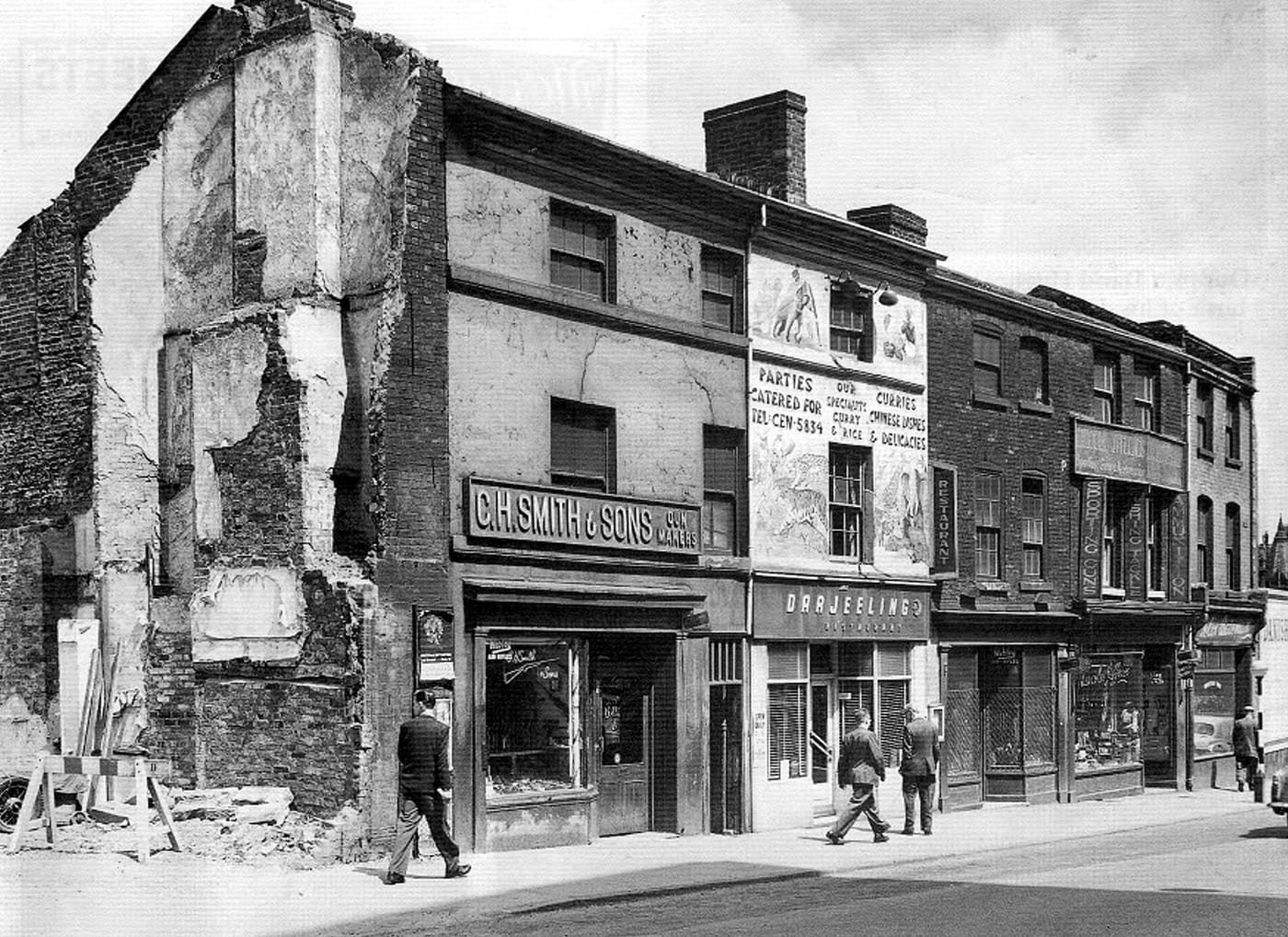
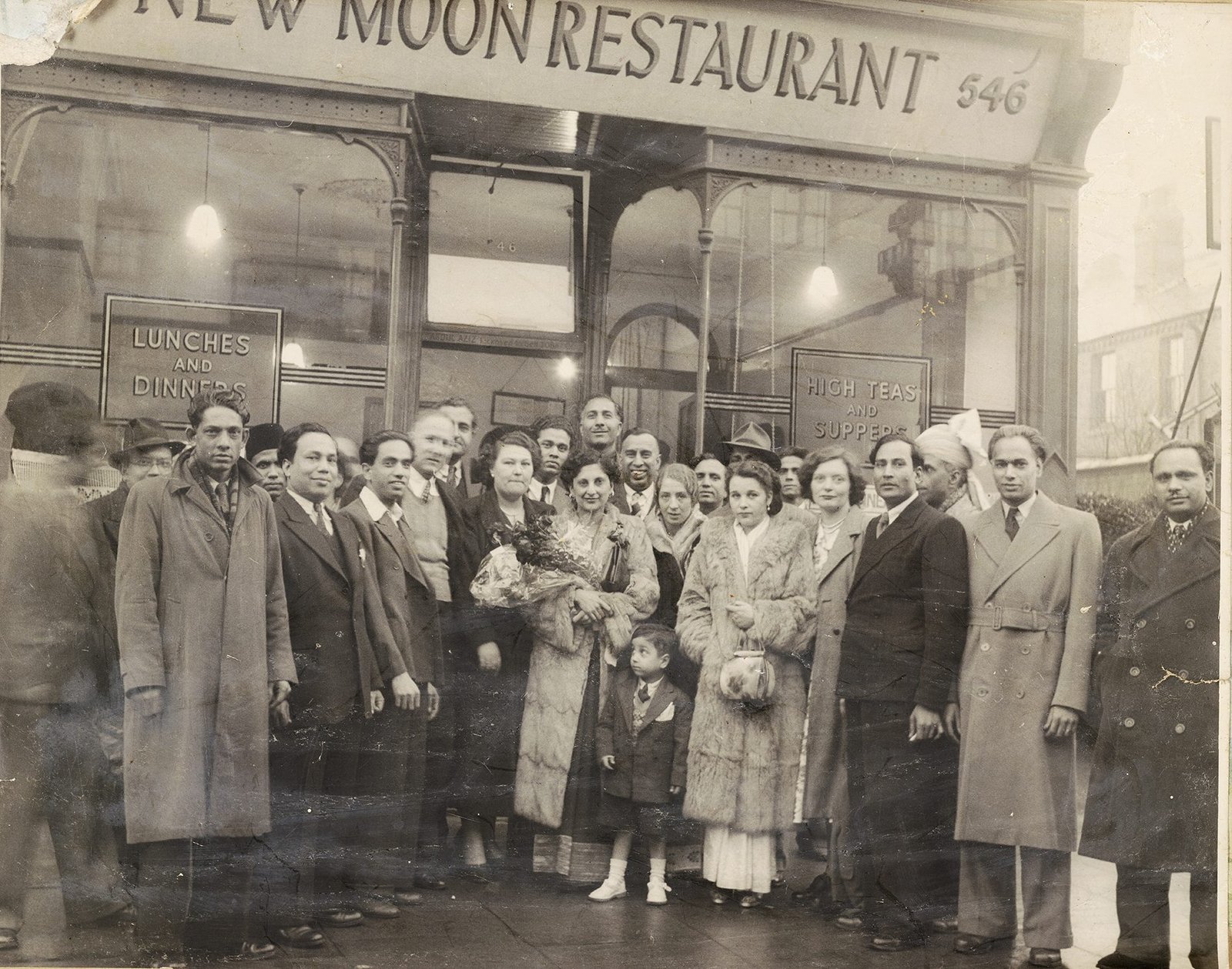
The story of Birmingham's Bangladeshi restaurant trade begins with Abdul Aziz. He left a British Navy ship around 1940 and made his way to Birmingham, where he met Violet, an Irish waitress at a cafe in Coleshill Street. Their son David later remembered her as his father's "rock", the person who taught him English and helped him learn the ways of British life. The couple settled on Ladywood Road, worked in factories to build up capital, and in 1945 bought John's Restaurant on Steelhouse Lane.
Over the following years, curry and rice were added to the menu. By 1954, the venue had become known as The Darjeeling, described in later heritage research as Birmingham's first proper curry house. The accurate version of the story is a two-stage one: John's Restaurant in 1945, The Darjeeling by 1954. Aziz trained later restaurateurs, employed new Bangladeshi migrants as chefs and waiters, and often housed them in rooms above the restaurant. His connections to local solicitors, Steelhouse Lane police officers, and the Council House made him both a businessman and a recognised community intermediary.
The Jinnah and the Birth of Takeaway Culture
Mozamil and Rachel Kazi had been running Rae's Cafe on Bristol Street since the early 1950s, serving the standard British cafe menu of steak, eggs, and chips. Once curry was put on the menu, demand grew so strong that in 1957 they moved to larger premises on Moseley Road and opened the Jinnah, which became one of Birmingham's best-known curry houses. Among their customers, before his fame, was a young John Bonham, later the drummer with Led Zeppelin.
The family divided its labour in ways that shaped the restaurant's character. Mozamil handled the finances; Rachel, described by their son Steve as "a bubbly character" who nonetheless "ruled with an iron rod", ran the day-to-day front of house. Their son John developed what may have been one of Birmingham's earliest home-delivery services: "I would bring a curry to them." Some regulars even brought their own pots to be filled with food and rice, an informal innovation that anticipated the takeaway culture that would later transform British dining.
Nurujuman Khan and the Professionalisation of the Trade
Nurujuman Khan arrived at Heathrow from Bangladesh in the summer of 1957 and followed a cousin to Birmingham. He moved quickly: within a year he had co-owned restaurants in Wolverhampton and Worcester before returning to the city. He then trained in silver service at The Plough in Monkspath, Solihull, an unusually formal professional step for that era, before becoming manager for owner Abdul Samad at the Bombay Restaurant in Essex Street.
Khan and Samad introduced a hot-food trolley and developed new dishes, including "chicken mossman", bhuna chicken topped with sliced egg. Khan's recollections are especially vivid on who the early customers were. Many were former colonial hands who already had a taste for this food; others were entirely unfamiliar with it and needed to be coached through the menu. His testimony captures the precise moment when Birmingham diners were still learning how to "go out for a curry".
Restaurants as Community Infrastructure
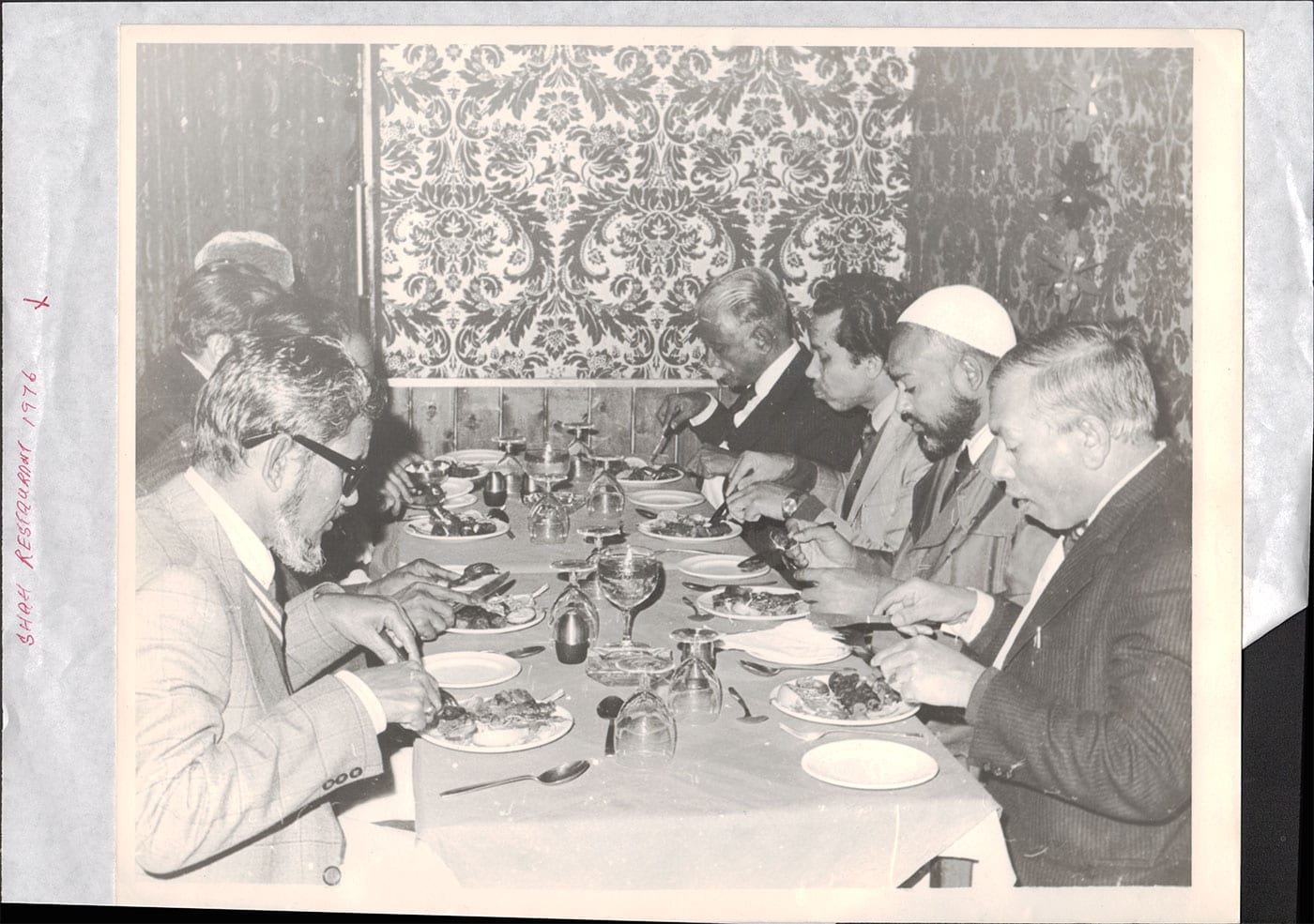
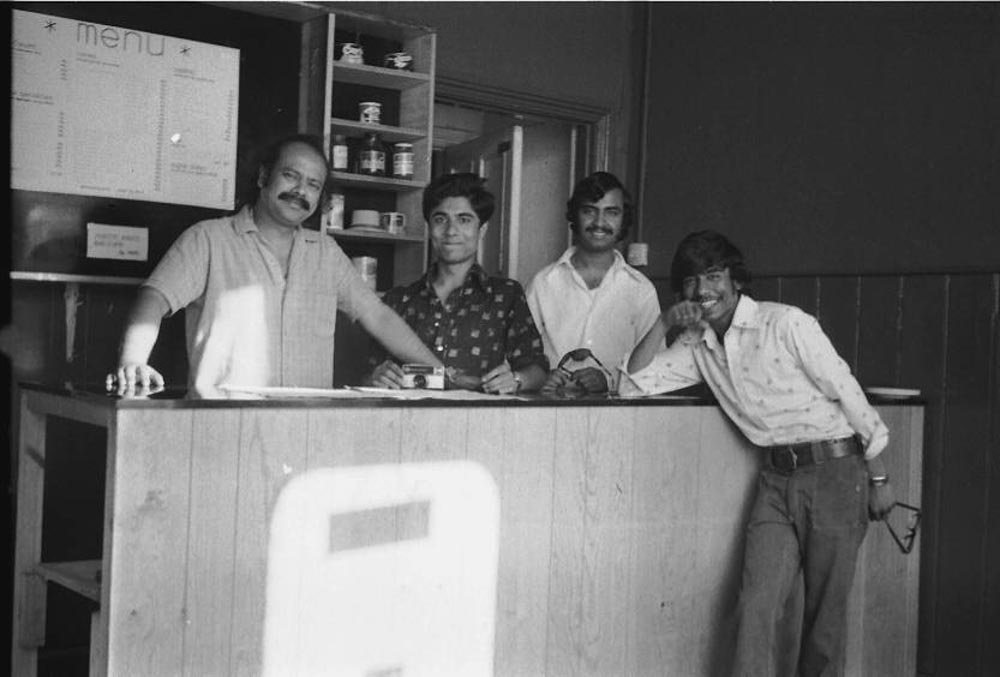
Birmingham's early curry houses were more than places to eat. The Darjeeling, the Jinnah, and the Bombay Restaurant helped newly arrived men find work, learn the trade, and build lives in the city. Restaurant rooms housed migrants above the business; networks of food, remittances, and mutual support were deeply entangled with the social fabric of early Bangladeshi settlement.
The 2016-18 "Knights of the Raj" heritage project, funded by the National Lottery Heritage Fund and exhibited at Birmingham Museum and Art Gallery, brought this hidden history into public memory. Curator Mohammed Ali, whose own father, Watir Ali, had arrived from Bangladesh in 1957 and worked in the trade, described the reason simply: "These stories need to be heard." His project, and the BBC coverage it generated, fixed this generation of pioneers in the city's shared record.