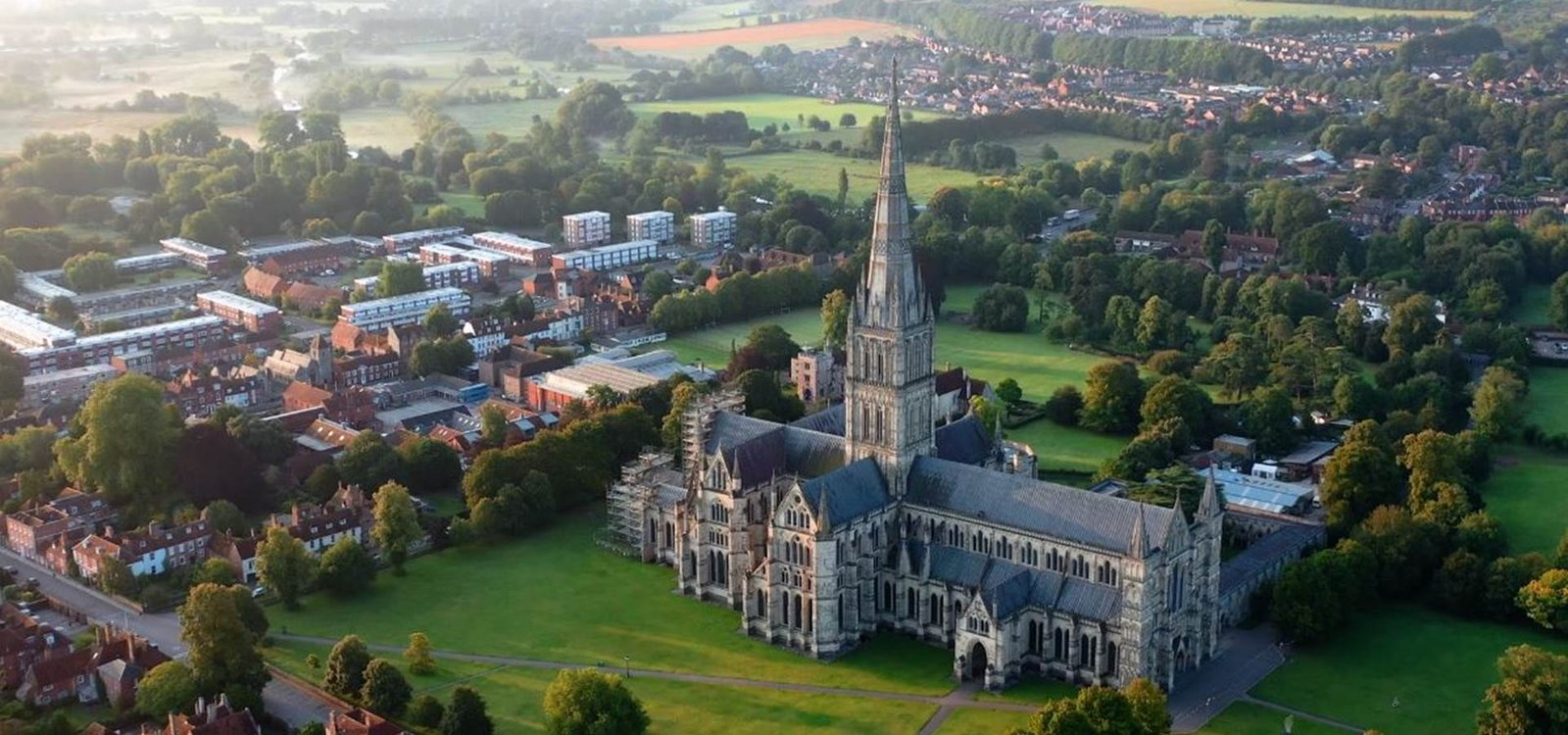
Aerial view of Salisbury city centre showing the cathedral and surrounding streets

Salisbury

Wiltshire, England

A community built through restaurant enterprise, family migration, and the long work of creating a Muslim civic life in a small cathedral city.

Community from
1960s
Est. population
1,500+
Pioneer profiles
2

Community History

Salisbury's British Bangladeshi story begins in the early 1960s, when pioneers from Sylhet started to build new lives in a city far removed from the larger migrant centres of London and Birmingham. In 1962, Nasir Ali helped establish The Asia Restaurant, remembered as Salisbury's first Bangladeshi restaurant. Others followed, including Mansur Uddin Choudhury, who later opened the Golden Curry in 1973. What began as the hard-earned work of a few men gradually became a settled community.

Through the 1970s, wives and children joined them, and Salisbury changed with them. Homes were bought, businesses expanded, and Bangladeshi life became visible in the everyday fabric of the city, especially around Fisherton Street and Wilton Road. Restaurants were the first public face of that presence, but they were never the whole story. Grocery shops, takeaway counters, family flats above businesses, and networks of mutual support all helped turn temporary migration into permanent belonging.

The community also built a social world of its own. Football teams, friendships formed in restaurant kitchens, and regular gatherings around prayer and family life all strengthened those bonds. The photographs that survive from these decades show a community making a home in Salisbury on its own terms, proud of where it came from and determined to put down roots for the next generation.

Community Images

  • Salisbury Bangladeshi football team in green kits gathered for a team photograph
    The Salisbury Bangladeshi football team, showing how community life grew beyond work into friendship, sport, and shared identity.
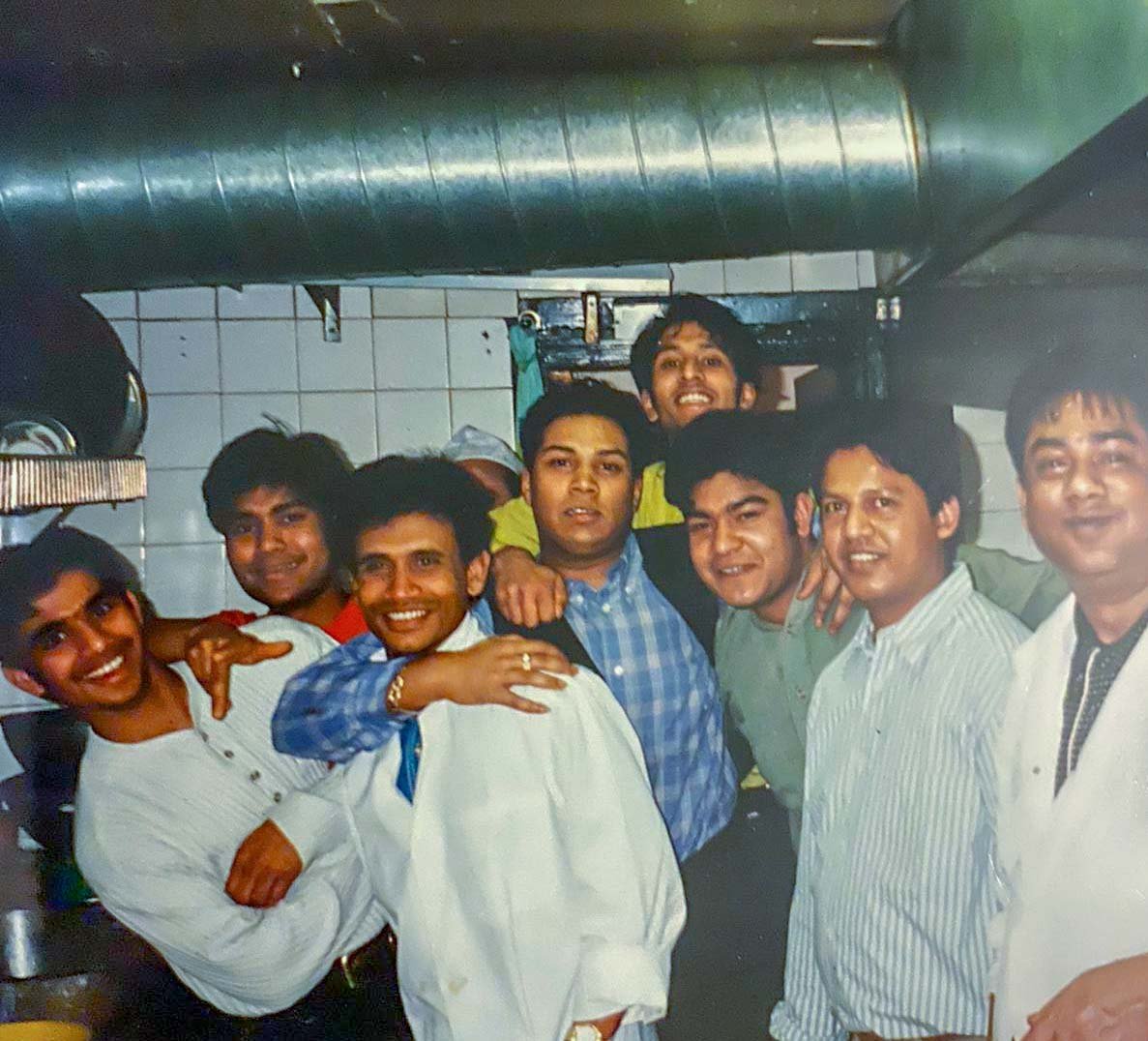
  • Staff gathered together inside the kitchen of the Rajpoot Tandoori in Salisbury
    Staff at the Rajpoot Tandoori, one of Salisbury's earlier Bangladeshi-run restaurants.
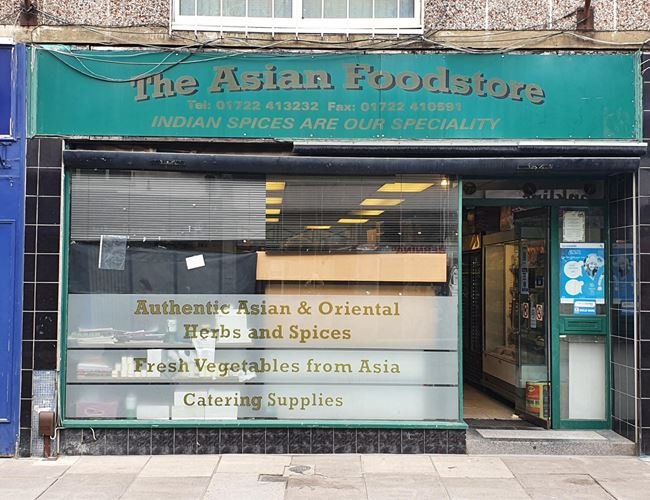
  • The Asian Foodstore on Fisherton Street in Salisbury
    The Asian Foodstore on Fisherton Street, supplying spices, vegetables, and everyday staples from across South Asia.
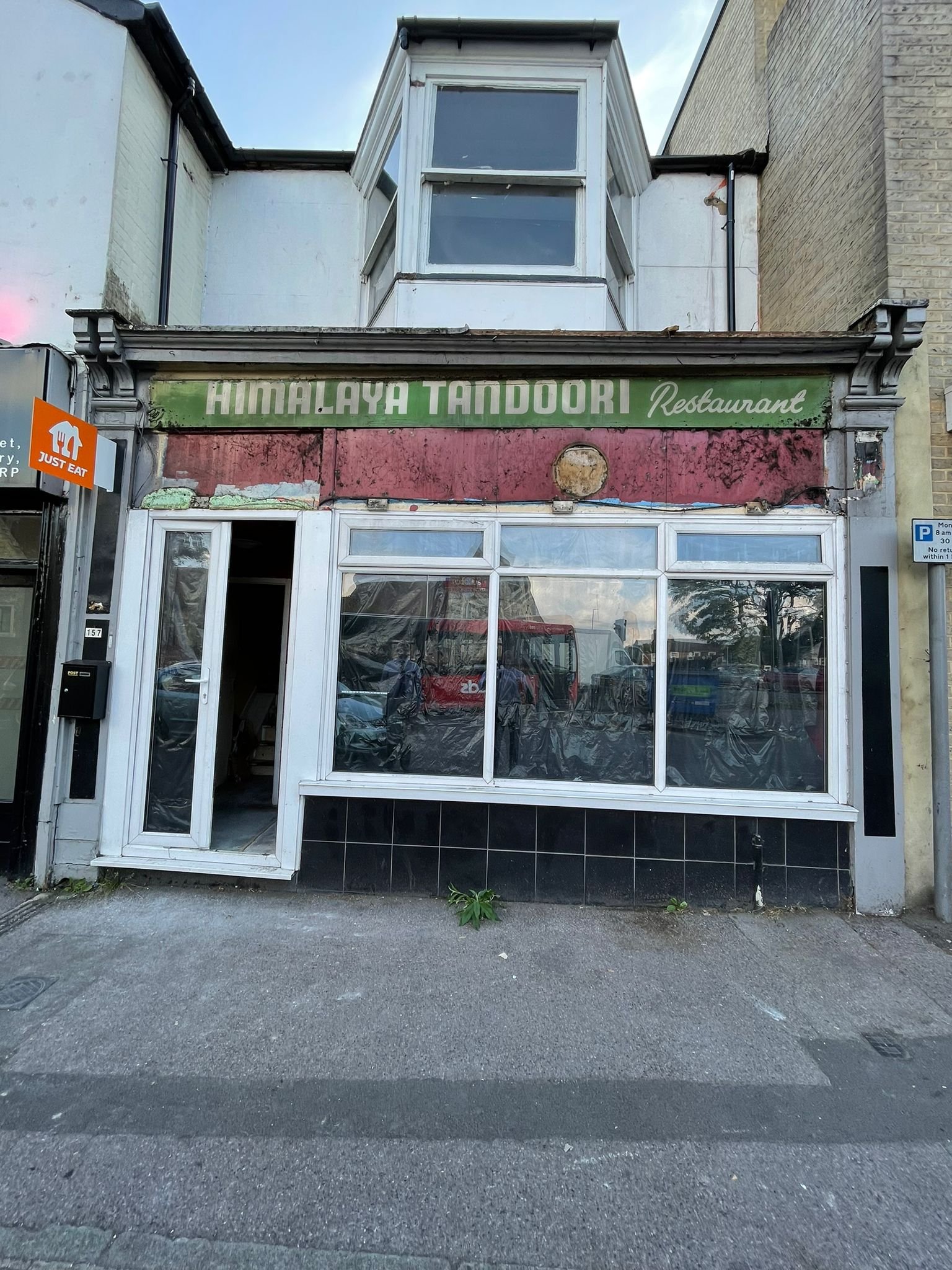
  • The uncovered original Himalaya Tandoori sign on a Salisbury building
    The original Himalaya Tandoori sign, uncovered during restoration, a reminder of an earlier chapter in Salisbury's Bangladeshi restaurant history.

From Borrowed Rooms to Salisbury Central Masjid

The mosque story grew directly out of the settlement story. For years, Salisbury's Muslim families had no dedicated local place for Friday prayer. In the 1970s and early 1980s, many travelled to Southampton for Jumu'ah, a weekly journey that reveals both the small size of the community and the depth of its commitment.

A turning point came in 1983, when the Golden Curry began hosting Salisbury's first regular local Jumu'ah prayers. That was followed by the formal founding of the Muslim Association of Salisbury in 1996 and the purchase of 19 Wilton Road, the city's first dedicated prayer and meeting rooms for the community. Final approval followed in 1999, giving the mosque a secure footing in Salisbury life.

As the congregation grew, so did the ambition of the site. The purchase of 27 Wilton Road in 2013 created the basis for the present main mosque. The later purchase of 25 Wilton Road in 2022 opened the way for a larger, unified community centre. Alongside worship, the Association has also helped secure Muslim burial provision in Salisbury, including the newer section at The Avenue Cemetery in Wilton.

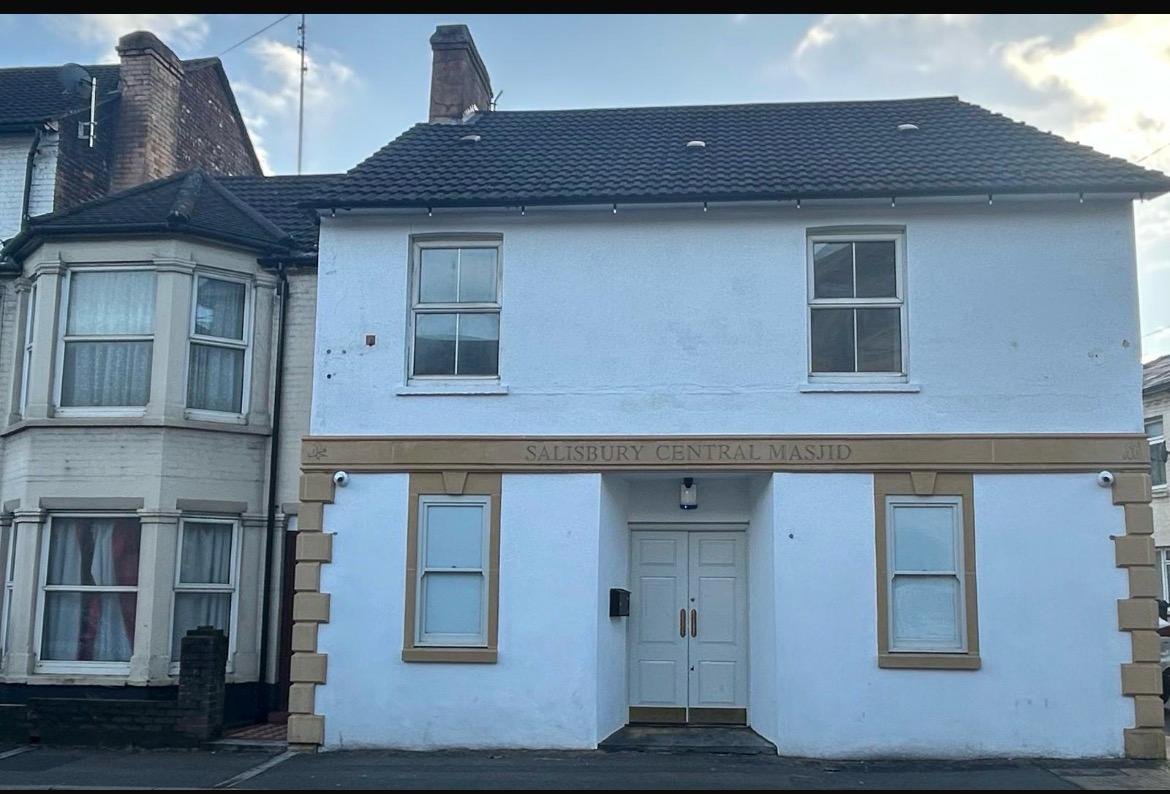
Salisbury Central Masjid at 27 Wilton Road
Salisbury Central Masjid at 27 Wilton Road.

1983

First local Jumu'ah prayers

Before then, families regularly travelled to Southampton for Friday prayers. In 1983, regular Jumu'ah was hosted at the Golden Curry, ending those weekly journeys and giving Salisbury's Muslims a local place to gather.

1996

Association formed

The Muslim Association of Salisbury was formally established in 1996. Bangladeshi families were central to its founding, joined by Turkish and other Muslim residents who shared the same need for a permanent prayer space and community base.

1996-1999

19 Wilton Road secured

The first property at 19 Wilton Road gave the community its first dedicated prayer and meeting rooms. Final approval for their use followed community consultation in 1999.

2013-2022

A larger mosque on Wilton Road

The purchase of 27 Wilton Road in 2013 created a larger main site. In 2022, the adjacent property at 25 Wilton Road was added so the mosque could expand again and serve a growing congregation.

Pioneer Profiles

Individuals who helped build the British Bangladeshi community in Salisbury.