
Community History
London's connection with Bengali and Sylheti people stretches back more than three centuries, to the era of the East India Company and the lascar sailors who crewed its trading ships. By the 1920s, pioneering figures like Ayub Ali Master had established the coffee houses, boarding houses and welfare organisations that would anchor the community through two world wars. The post-war decades brought a sustained wave of Sylheti men who settled in Spitalfields and Whitechapel, working first in the garment factories and later building the restaurant trade that made Brick Lane a global byword for Bengali culture. Through racist violence, the liberation struggle of 1971, the housing battles of the 1970s and the political campaigns of the decades that followed, London's Bengali community showed extraordinary resilience , building institutions, winning rights, and transforming a corner of the East End into one of the most distinctive communities Britain has ever produced.
The Docks and Limehouse: Where the Story Begins
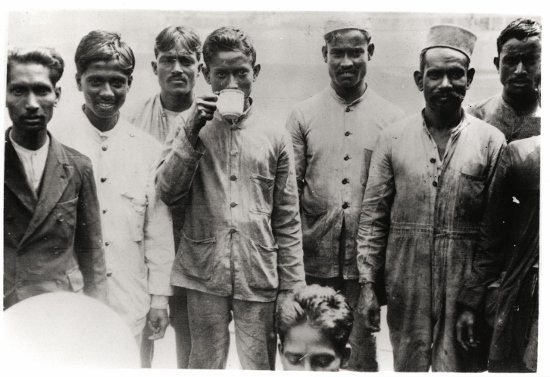
The Bengali presence in East London did not begin with post-war migration , it began at the docks. From the seventeenth century, the East India Company crewed its trading vessels with lascars, a significant proportion from the Sylhet region of north-east Bengal. Their ships docked at the East India Docks in Blackwall and the London Docks in Wapping. When voyages ended, many lascars found themselves stranded: unscrupulous ship owners abandoned their crews, and discriminatory laws made it near-impossible for non-white seamen to secure new berths. The men drifted to the streets of Limehouse and Poplar , the earliest site of Bengali settlement in Britain.
In response, the Strangers' Home for Asiatics, Africans and South Sea Islanders was established in 1857 at West India Dock Road, Limehouse , more than 5,000 individuals passed through in its first two decades. The Home closed in 1937, but the community had long since built its own roots. The hostile Special Restriction (Coloured Alien Seamen) Order 1925 attempted to classify many genuine British subjects as aliens, denying them work and driving families into poverty. The community persisted.
Commercial Street and Sandys Row: Building Community Between the Wars
By the 1920s, the handful of men from the lascar era were being joined by determined new arrivals. The most significant was Ayub Ali Master, who arrived in London in 1919 and by 1920 had established the Shah Jalal Restaurant and Coffee House on Commercial Street, Spitalfields. The coffee house became the community's nerve centre , a shelter for newly arrived men, a meeting place for the India League, a venue attended by figures of the Indian independence movement including Subhas Chandra Bose. Ayub Ali fed men who had no money, found them work, wrote letters on their behalf to families in Sylhet, and housed them at his boarding house at 13 Sandys Row.
Alongside him, Shah Abdul Majid Qureshi , known as "Moina Meah," born in Patli village, Jagannathpur, Sylhet, in 1915 , is believed to have been the first Sylheti to own a restaurant in the United Kingdom. In 1943, Ayub Ali and Qureshi together founded the Indian Seamen's Welfare League on Christian Street , the first formal welfare organisation for Bengali sailors in Britain. At the outbreak of the Second World War, the settled Bengali community in the East End numbered around two hundred men; wartime labour demands quietly grew it further.
Spitalfields and the Garment Quarter: Post-War Settlement
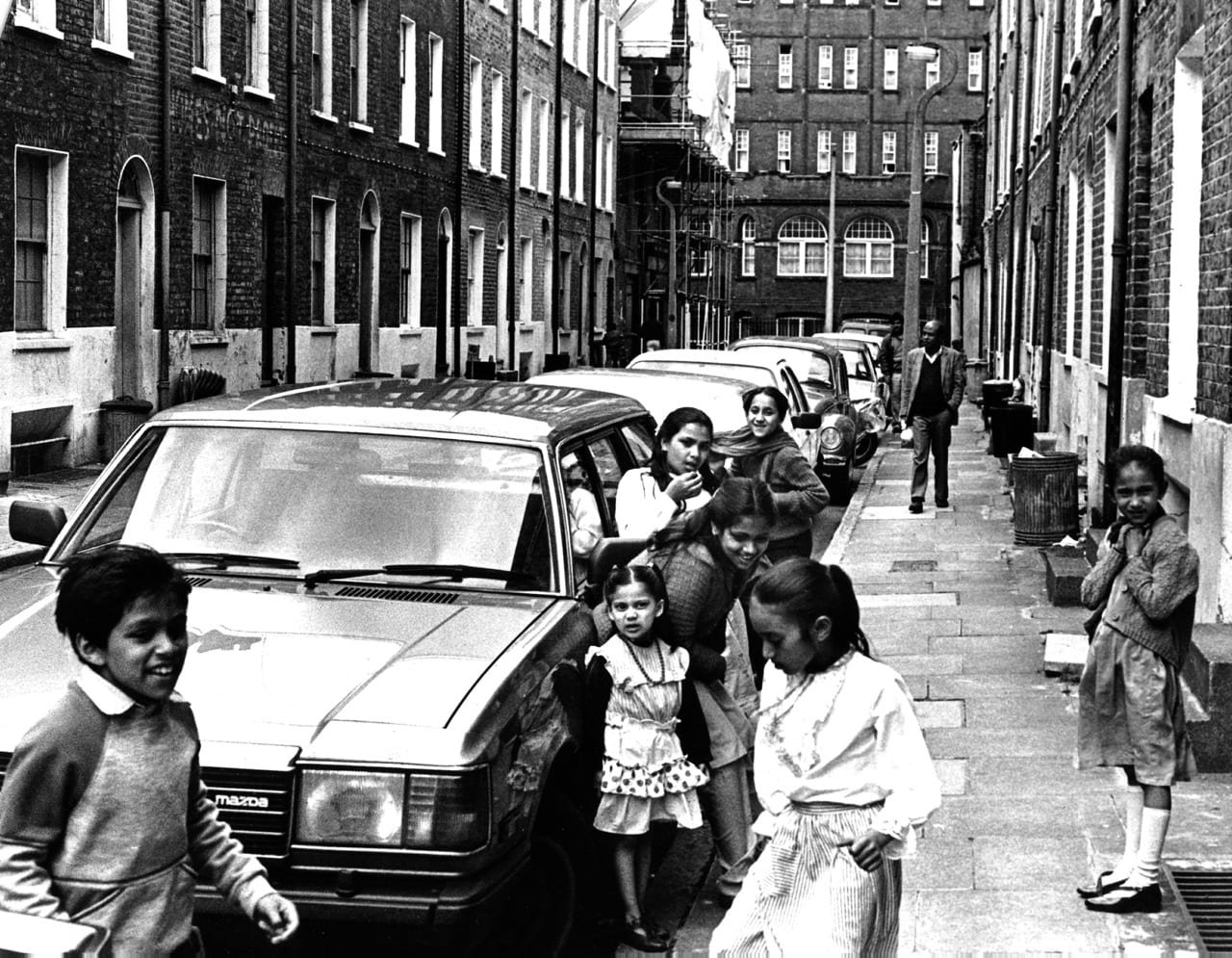
The men who arrived in Spitalfields in the 1950s and 1960s found streets that already knew immigration. Hanbury Street, Commercial Street, Greatorex Street and the terraced rows connecting them had sheltered Huguenot weavers, Irish labourers and Eastern European Jewish refugees in earlier centuries. Now the same boarding houses filled with Sylheti men , ten or twenty to a house, wives and children remaining in Bangladesh, remittances sent home week by week.
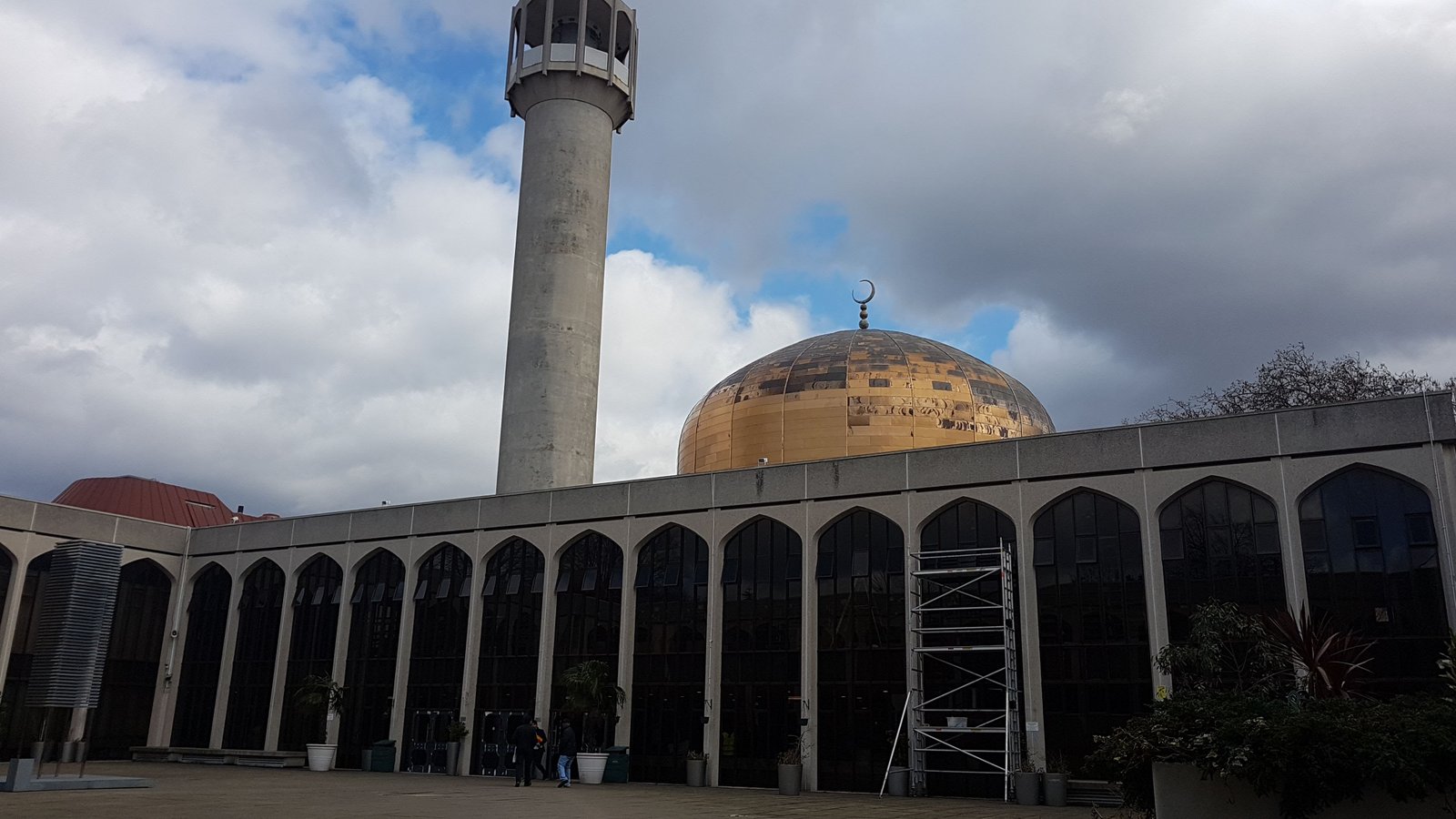
Work was concentrated in the garment and leather factories of Spitalfields and Bethnal Green Road , where production was passing from Jewish immigrant owners to Bengali workers , and in the expanding restaurant trade, overwhelmingly Bengali in ownership, tracing its lineage to the lascar coffee houses of the 1920s. The building at 59 Brick Lane on the corner of Fournier Street carried the history of all these communities: a Huguenot chapel in 1743, a Methodist chapel, a synagogue from 1891, and from 1976 the London Jamme Masjid , a Grade II* listed monument to the successive immigrant communities that made East London.
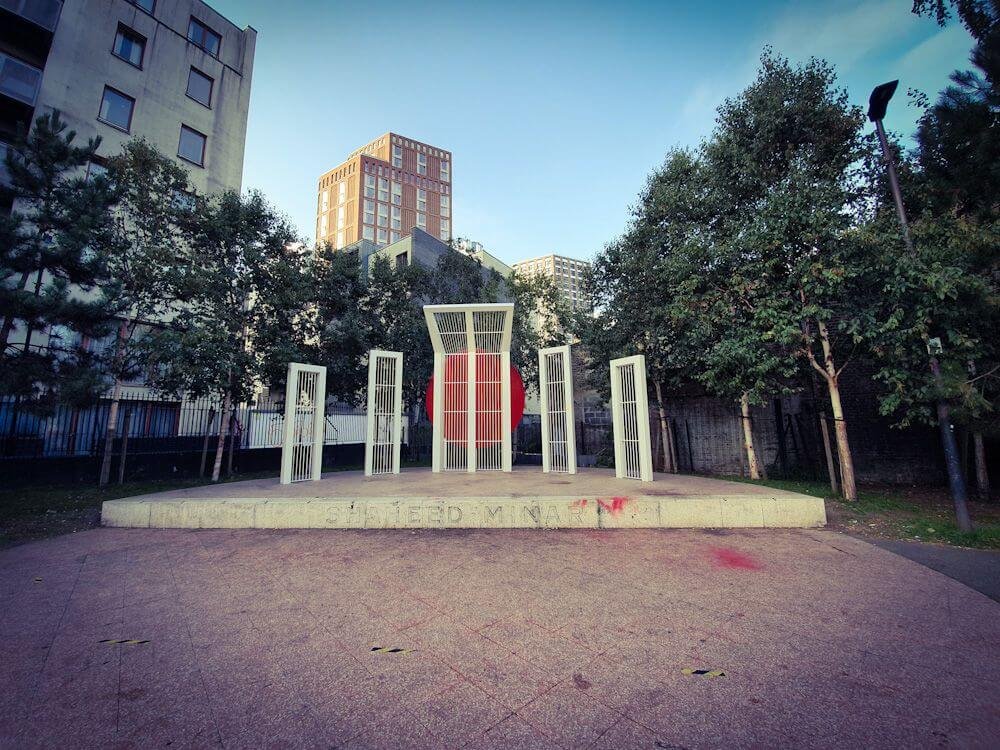
Adler Street, 4 May 1978: The Community's Turning Point
By the mid-1970s the Bengali community of the East End lived under sustained racist assault. The National Front used Brick Lane and its surroundings as organising territory, selling their newspaper openly on Sunday mornings while their members attacked Bengali residents. Physical attacks were near-daily occurrences. Police were largely indifferent.
On the evening of 4 May 1978, Altab Ali , a 25-year-old Bangladeshi textile worker walking home from his shift , was stabbed to death on Adler Street, Whitechapel. Ten days later, approximately 7,000 people marched from Brick Lane carrying his coffin to Hyde Park, delivering a petition to 10 Downing Street. It was one of the largest anti-racist demonstrations Britain had seen. Community self-defence groups then drove the National Front from Brick Lane. Altab Ali Park in Whitechapel , renamed from St Mary's Park in 1998 , and the Shaheed Minar erected within it stand as the permanent memorial to that struggle.